
The complete guide
Getting a vacuum bag to actually stay flat
Why bulk, not weight, fills a house
A spare duvet weighs almost nothing and takes a whole shelf. A pile of winter coats is the same: light, and impossible to put anywhere.
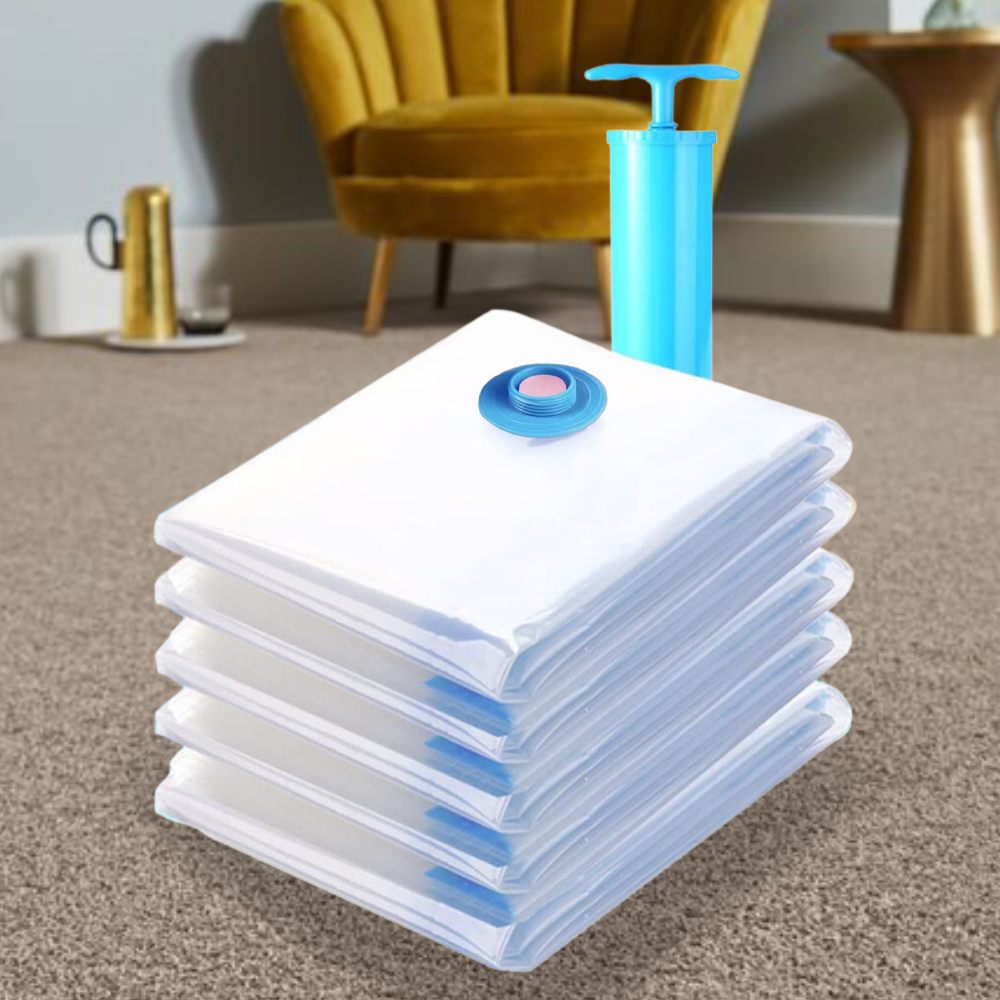
That is because most of what they occupy is air held in the fibres. Taking the air out is the only thing that changes the volume, which is what a vacuum bag does and what a fabric storage bag cannot.
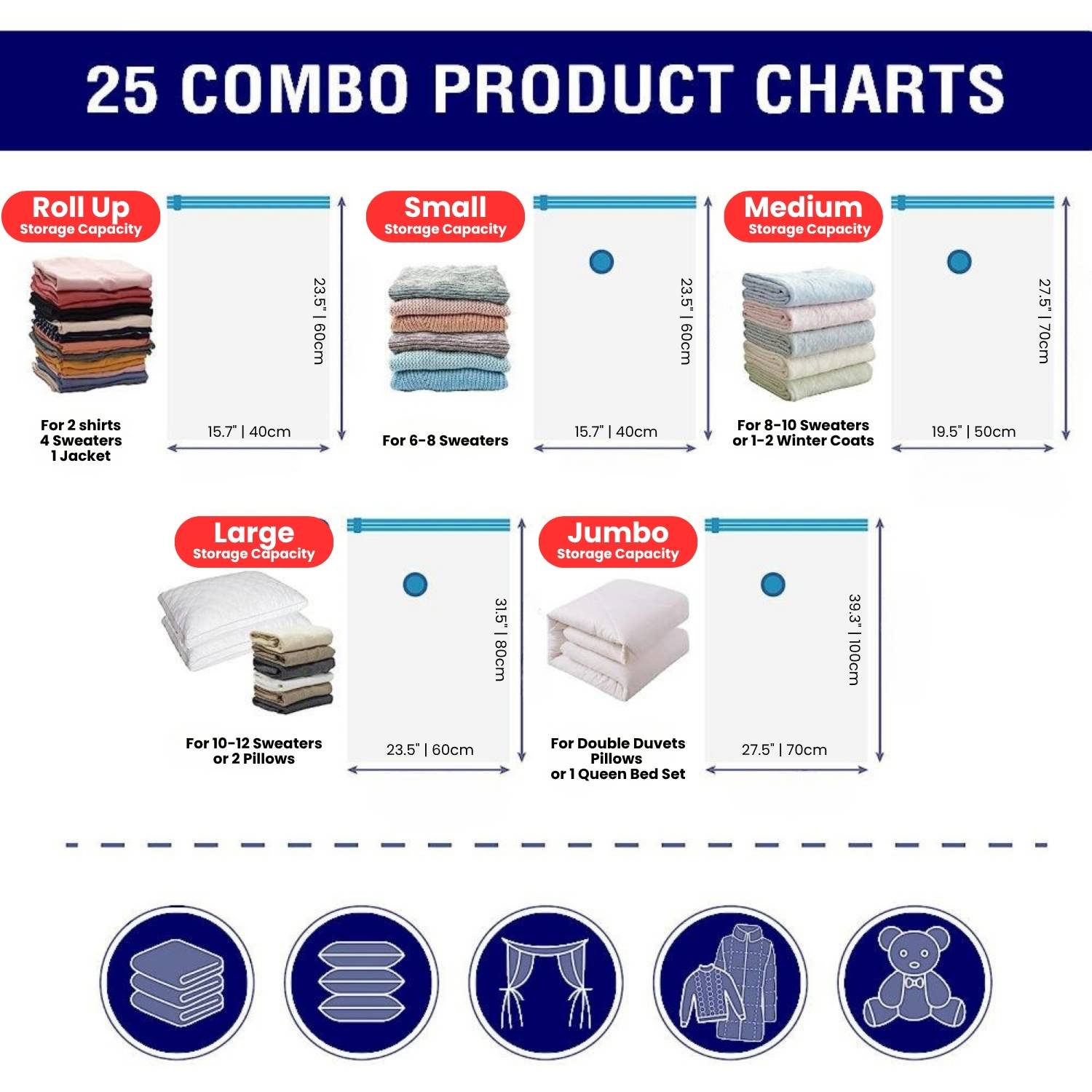
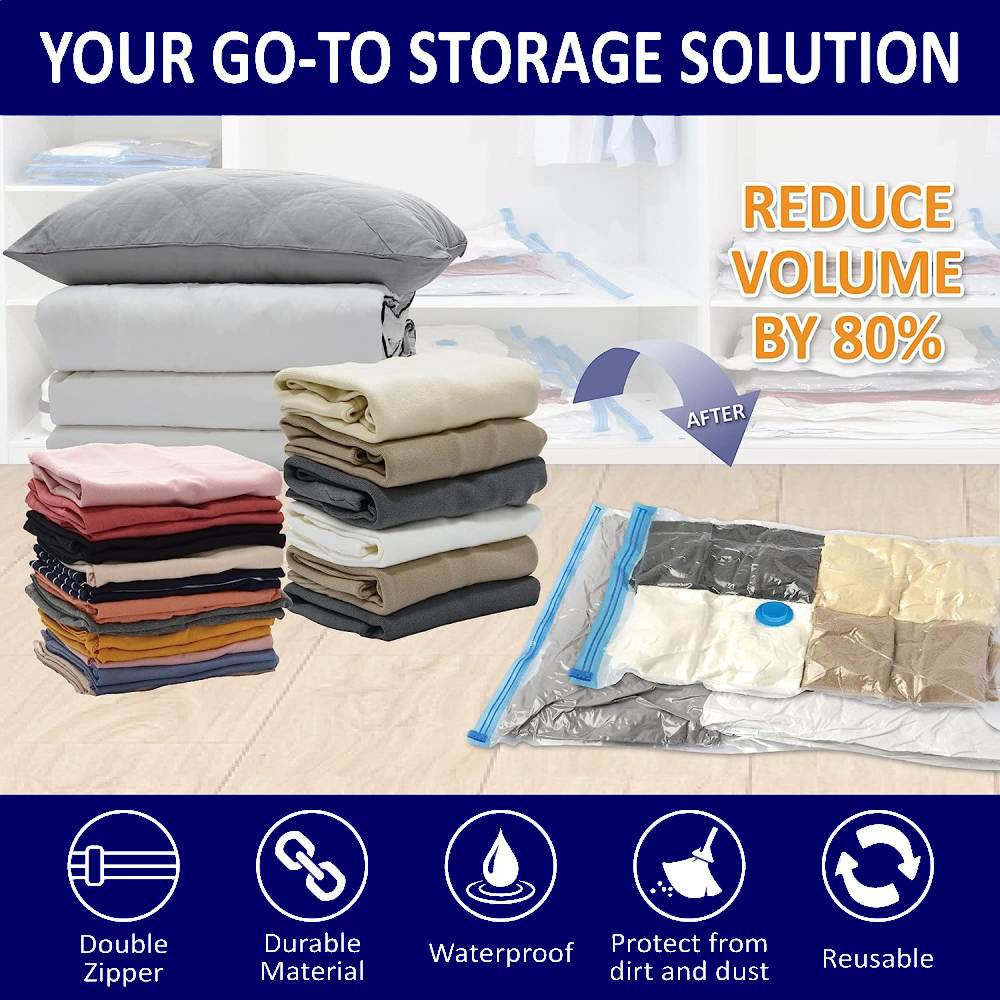
The gain is largest on the loftiest items. A duvet, a pillow, a puffer coat, a pile of jumpers: all of those shrink dramatically. Folded jeans, which are already dense, barely change. It is worth knowing that before you buy twenty five bags for a wardrobe full of denim.
The two seals, and which one usually fails
There are two separate things keeping the air out, and they fail differently.
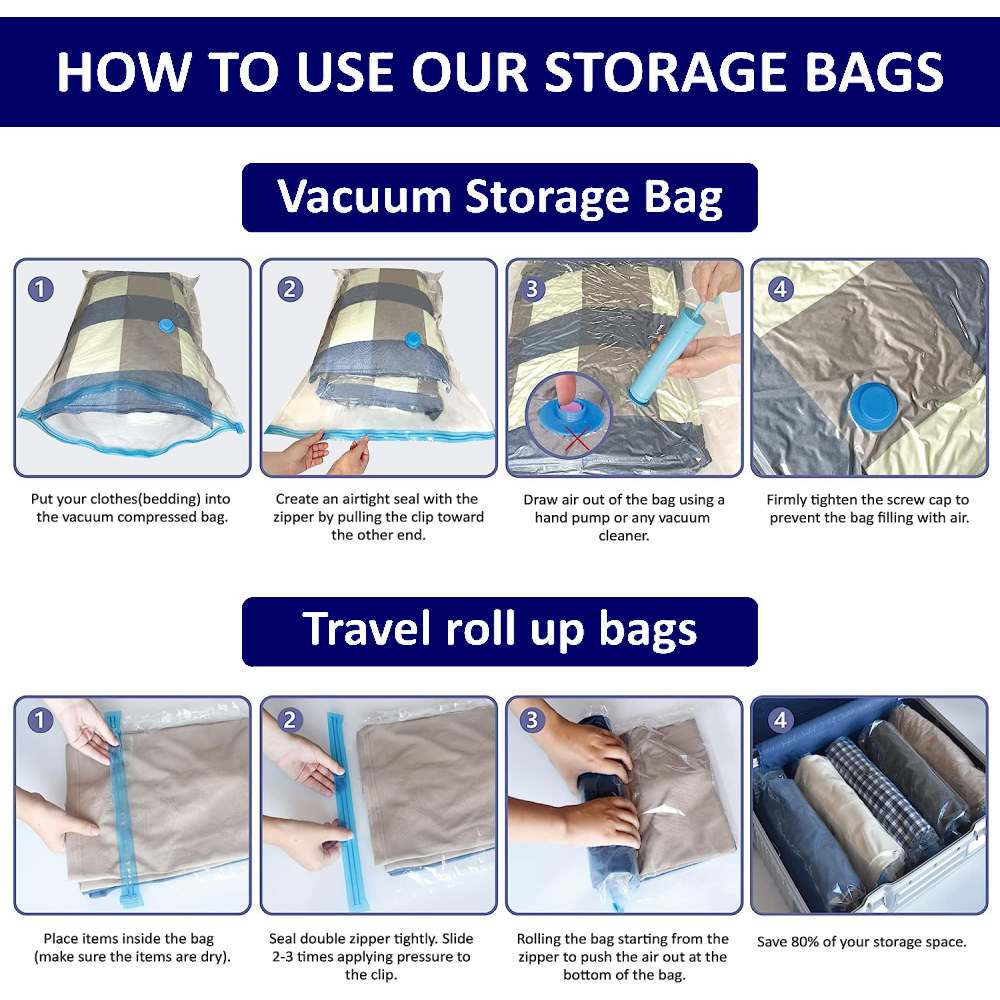
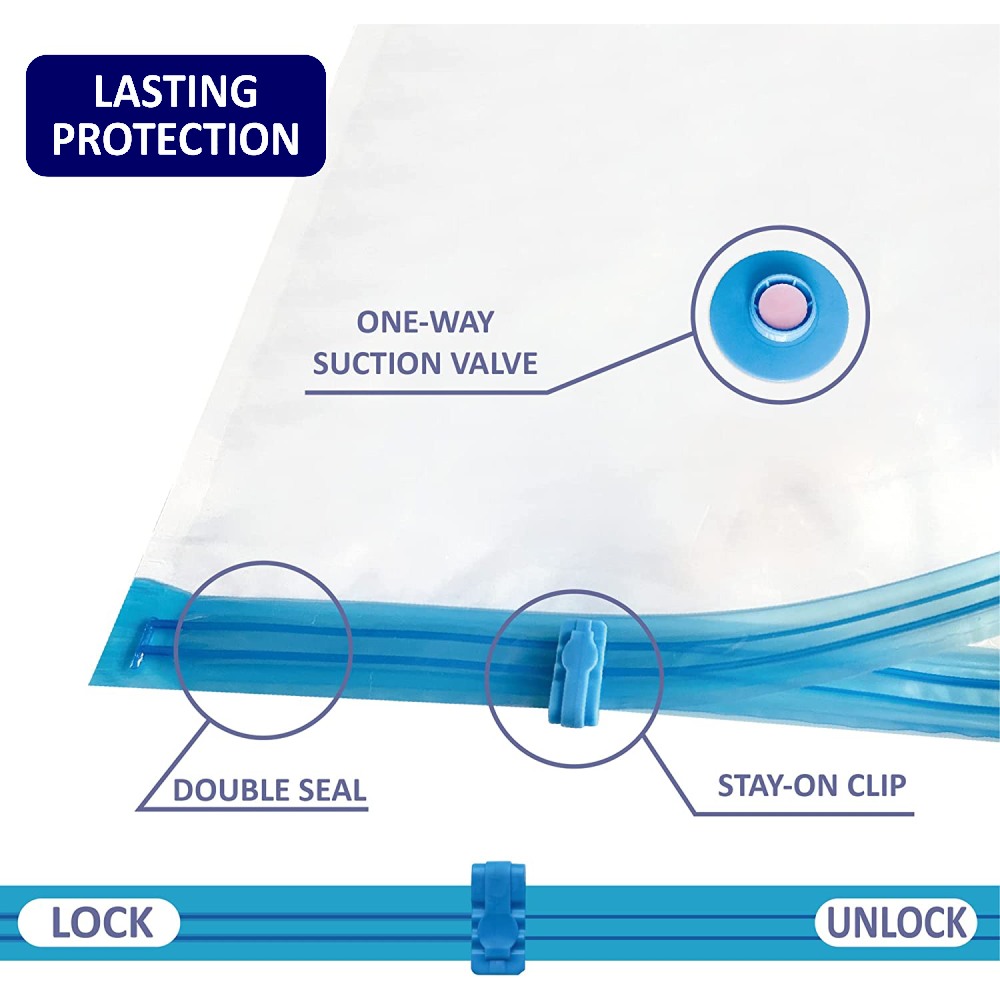
The double zip closes the opening. It has to be fully closed along its whole length, and the common mistake is running the slider along once and assuming. Run it twice, pressing down, and check both ends.
The valve is what holds the vacuum after you have pumped. It is a one-way seal, and it needs its face clear.
When a bag slowly puffs back up over a few days, it is nearly always one of two things: a strand of fabric bridging the zip, or a wisp of fluff sitting across the valve. Both are fixed in seconds if you know to look.
The travel bags are a different tool
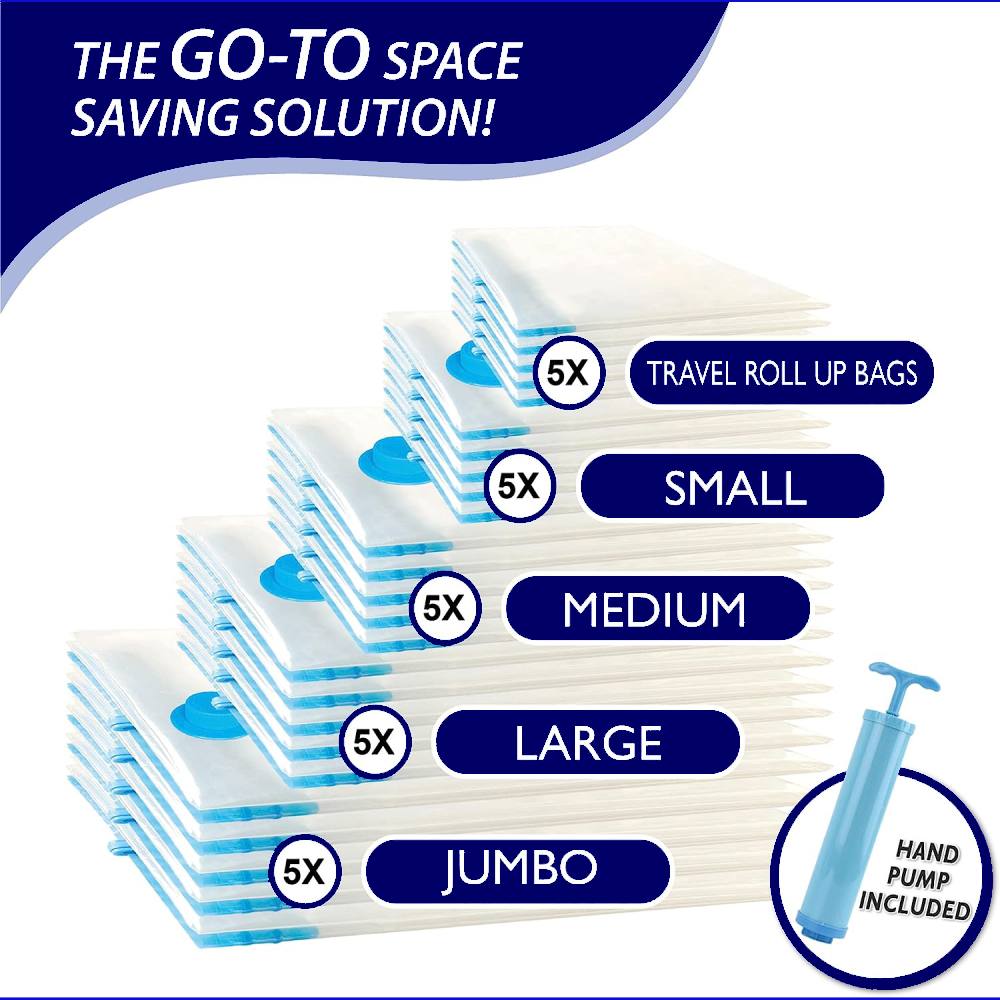
Five of the twenty five have no valve at all, and they are not a lesser version of the others.
You fill them, close the zip, and roll from the sealed end. The air pushes out ahead of the roll. No pump, no vacuum cleaner, no power.
That is precisely what you want in a hotel room or halfway through a trip when the return journey has more in it than the outward one did. Trying to use a valve bag in that situation without a pump is the frustration these avoid.
Clean and dry, every time
This is the rule that decides whether opening the bag in six months is pleasant.
Anything sealed away should be freshly laundered and completely dry. An airtight bag does not just keep moisture out, it keeps moisture in, and a duvet that felt "dry enough" on a damp day will smell of it by spring.
The same applies to insects. A sealed bag stops moths getting in. It does not help if the item already carried eggs when you sealed it.
What not to compress
Two categories are worth avoiding.
Delicate and embellished. Fine silk, sequins, beading and structured garments do not enjoy being squeezed flat for months. Sustained pressure can crush and mark them, and the damage is not always recoverable.
Anything rigid or sharp. A zip pull, a coat hook, a buckle with a point: any of those can pierce the bag from the inside once the vacuum pulls the plastic tight against it. A pierced bag will not hold, and you have lost a bag rather than saved a season.